Davids Announces Federal Grant to Help Kansas Youth, Young Adults with Disabilities Overcome Obstacles to Employment
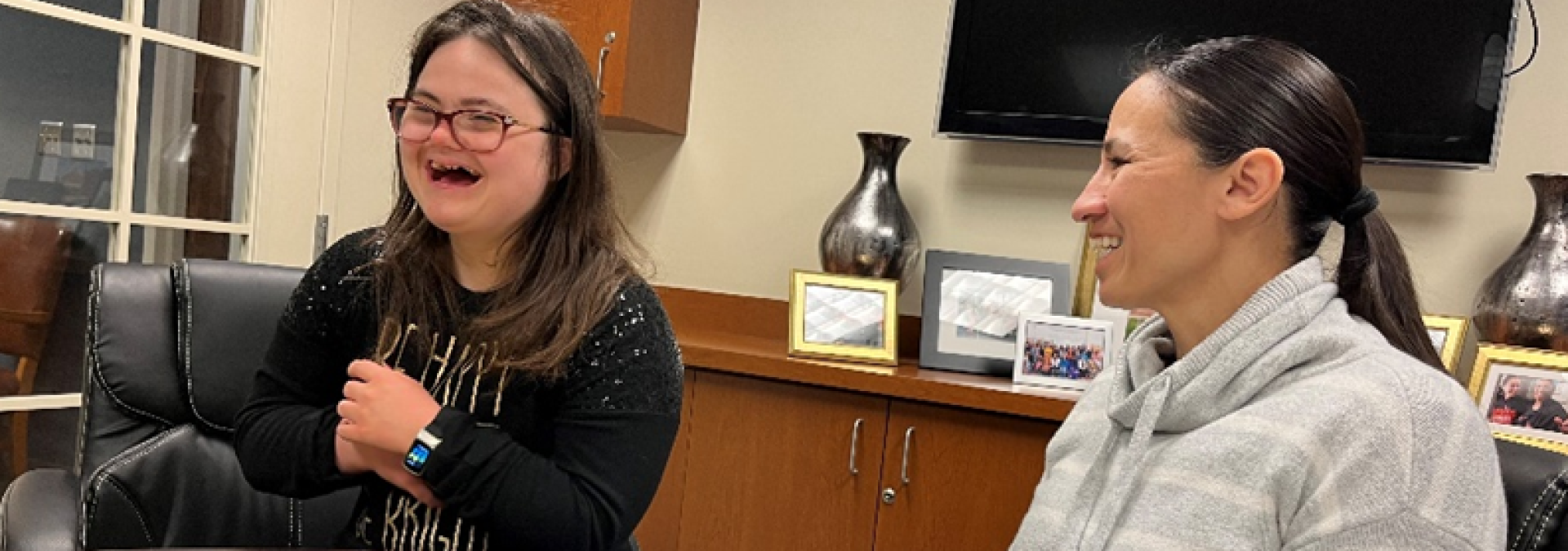
Today, Representative Sharice Davids announced a $7.1 million federal grant to help more Kansas youth and young adults with intellectual disabilities — particularly in underserved communities — access job training, build career skills, and connect with employment opportunities in high-growth industries.
“Every Kansan who wants to work should have the opportunity to build a career and support themselves,” said Davids. “This investment will help more young people with disabilities gain the skills, training, and support they need to succeed in the workforce. That's good for those workers and their families, and it helps Kansas employers connect with talented people who are ready to contribute to our economy.”
“We are thrilled to receive continued funding for this important initiative, ensuring that youth and young adults with disabilities across Kansas have greater access to the services, supports and opportunities they need to thrive,” said Mike Beene, Assistant Secretary, Kansas Department of Commerce. “This continued investment will strengthen Kansas’ capacity to expand transition services and build sustainable partnerships that help individuals and families navigate pathways to community participation, education, and most importantly, employment.”
The $7,135,150 grant for the Kansas Department of Commerce was awarded through the U.S. Department of Labor’s Equitable Transition Model (ETM) Demonstration Grant Program. The program is designed to help participants successfully transition into competitive jobs, earn higher wages, and build long-term economic independence.
Davids has long worked to expand economic opportunity for Kansans with disabilities and build an economy that works for everyone. In Congress, she has introduced legislation to expand savings options for workers with disabilities, strengthen access to job training and career support without risking Social Security Disability Insurance benefits, and modernize Supplemental Security Income eligibility requirements to help more individuals achieve financial independence.