Davids (D), Fitzpatrick (R) Seek Answers on Delays in NIH Research Funding
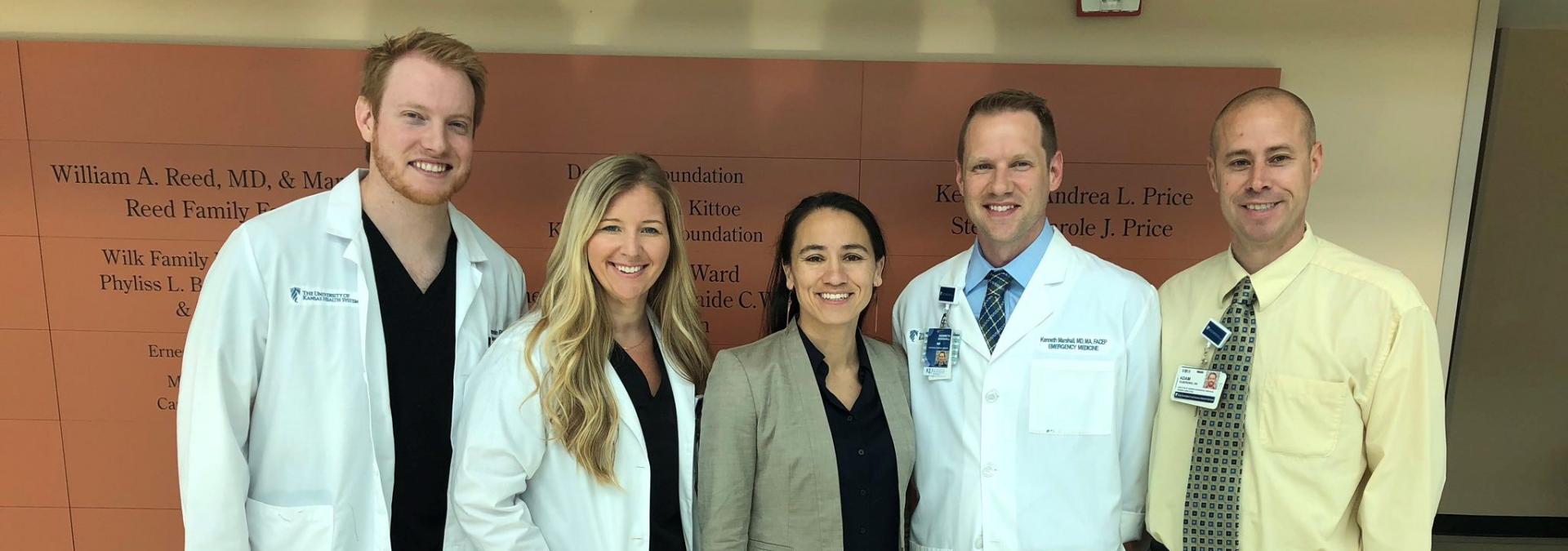
Delays impacting the University of Kansas despite congressional approval
WASHINGTON, D.C. – Today, U.S. Representatives Sharice Davids (D-KS-03), Brian Fitzpatrick (R-PA-01), and 37 others questioned Department of Health and Human Services Secretary Robert F. Kennedy Jr. about staffing shortages at the National Institutes of Health (NIH) that are slowing the distribution of congressionally approved research funding.
“These delays are not abstract,” wrote the Members. “They affect research into cancer treatments, Alzheimer’s and dementia, diabetes, and rare diseases that families across the country are living with every day. When grants stall, so does progress toward new therapies and potential cures.”
Every dollar of NIH funding adds more than $2.50 to the economy, and annually, NIH awards support 400,000 jobs and $94 billion of economic activity. Yet this year, NIH awarded just 3,081 new grants between January 1 and May 10, roughly half the average number awarded during the same period over the previous five years.
The impact is felt in Kansas. University of Kansas Chancellor Douglas Girod recently warned that federally funded research dollars are not reaching universities at their normal pace, reporting that the University of Kansas has experienced a decline of $182 million in research funding three quarters into Fiscal Year 2026.
In their letter, Davids and Fitzpatrick asked HHS to provide information about current staffing shortages at NIH, plans to hire additional grants management specialists, whether the agency expects to fully distribute congressionally appropriated funding this fiscal year, and how NIH is communicating with grant recipients about funding timelines.
A full copy of Davids’ letter can be found here or below:
Dear Secretary Kennedy,
We write to express concern about continued staffing challenges at the National Institutes of Health (NIH) and the impact on the pace and reliability of lifesaving health research. As you know, the NIH is the global gold standard of medical research. It’s robust budget funds efforts at institutions nationwide, leading to some of the most vital health discoveries of the last several decades. Every dollar of NIH funding adds more than $2.50 to the economy; in FY2025, NIH awards supported nearly 400,000 jobs and $94 billion of economic activity.
In recent months, recipients in our districts have shared concerns that the lack of sufficient grants management specialists (GMSs) have significantly slowed NIH’s award process. GMSs are a critical piece of the award process, and statistics show the agency has – between January 1 and May 10 – awarded just half of new grants (3,081) it averaged in the same time span over the previous five years (6,544).
These delays are not abstract. They affect research into cancer treatments, Alzheimer’s and dementia, diabetes, and rare diseases that families across the country are living with every day. When grants stall, so does progress toward new therapies and potential cures.
With just over four months left in FY2026, the window to award new grants is rapidly closing. In April 2026, you testified before the Senate Appropriations Committee that your agency is in the process of hiring 12,000 staff to “right size” the Department of Health and Human Services (HHS).
And earlier this year, Congress – on a bipartisan basis – funded the NIH at $48.7 billion to continue its mission of finding unparalleled breakthrough results for patients and leading the world in healthcare innovation. As our constituents seek clarity on the future of NIH awards, please provide answers to the following questions by June 15, 2026:
- How many GMSs below the needs of the NIH are currently employed by the agency (disaggregated by institutes and centers [ICs])?
- Of the 12,000 staff HHS is in the process of hiring, how many will be at the NIH and how many of those will be GMSs (disaggregated by ICs)?
- If any, when will those GMSs be fully onboarded?
- Are other NIH staff or researchers being asked to volunteer as GMSs on a temporary basis?
- If so, how many have been assigned to this task and for how long (disaggregated by ICs)?
- Do you anticipate the NIH will be able to fully execute its new award funding for FY2026, fulfilling congressional budget intent?
- If not, what percentage of award funding do you anticipate forgoing at the end of FY2026?
- How are you communicating with NIH awardees on the timeline of their funding?
We thank you for your attention to this urgent matter. NIH funding is one of the most important investments our country makes, and these awards must be executed correctly and with maximum efficiency.
Sincerely,