Davids, Feenstra Introduce Bipartisan Bill to Include Tribal Voices in Federal Food Programs After Shelves Went Empty
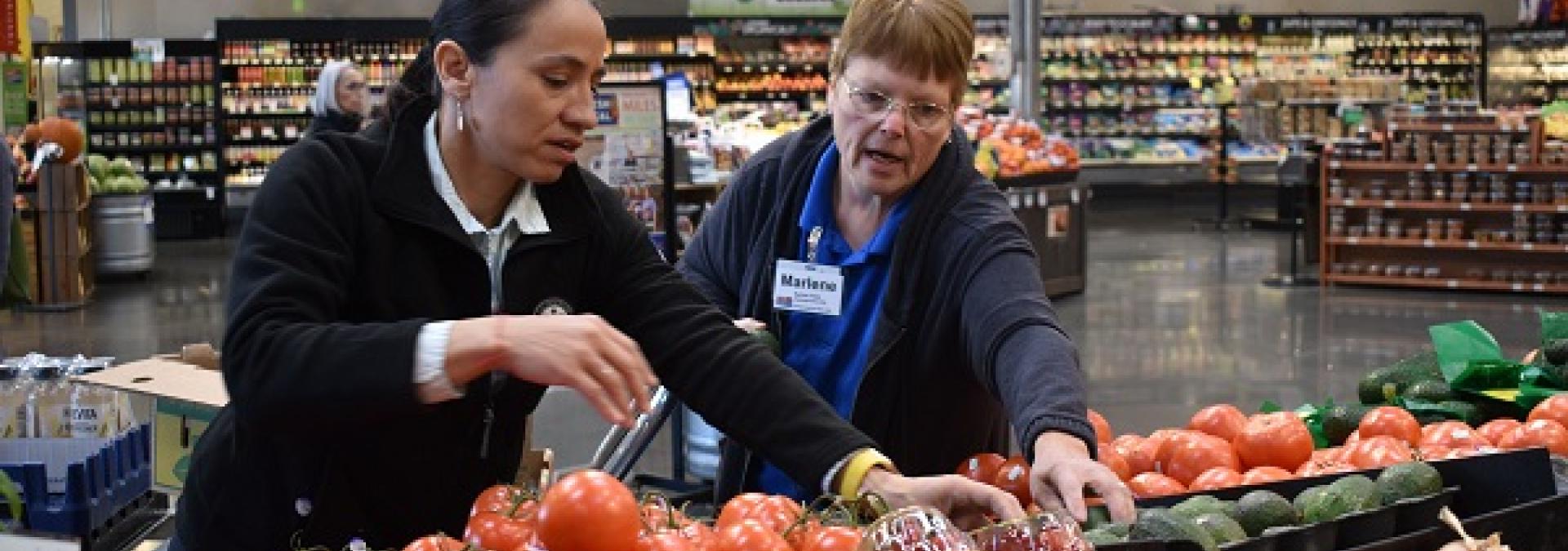
Today, Representatives Sharice Davids (D-KS-03) and Randy Feenstra (R-IA-04) introduced bipartisan legislation that would ensure the federal government does not make decisions about the nutrition assistance programs Tribes rely on without their input. These unilateral decisions, opposed by Tribal leaders, previously left grocery shelves empty in tribal communities across the country.
“Last year’s food delivery failures made clear that Tribal Nations need a seat at the table when decisions are made about programs their communities rely on,” said Davids. “No family should have to wonder whether food will arrive on time because concerns raised by Tribal leaders were ignored. This bill helps ensure tribes are heard, strengthens accountability at USDA, and provides a clear plan to keep food flowing when supply chain disruptions occur.”
“I’m pleased to help introduce this bill that would ensure those relying on food assistance programs in Tribal communities are not impacted by federal government shortcomings,” said Representative Randy Feenstra (R-IA-04). “The Increasing Tribal Input on Nutrition Act makes an important fix to strengthen USDA's response when disruptions occur and ensures they are working more closely with the communities they serve."
In 2024, the U.S. Department of Agriculture shifted from using two vendors to a single national contractor to distribute food, which Tribal Nations and Indian Tribal Organizations warned could create serious risks for food delivery. Those concerns proved well-founded when tribal communities began experiencing delayed shipments, canceled deliveries, inventory shortages, and even expired food products. By the fall of 2024, some tribes reported bare shelves and significant food shortages, prompting USDA to acknowledge the problems and bring back a second contractor on an emergency basis.
The Increasing Tribal Input on Nutrition Act would address the major failures by:
- Requiring USDA to include Tribal representatives in reviewing and awarding contracts under the Food Distribution Program on Indian Reservations (FDPIR).
- FDPIR provides income-eligible households with food on Indian reservations. Many households participate in FDPIR as an alternative to the Supplemental Nutrition Assistance Program (SNAP).
- Directing USDA to designate an emergency contractor within 45 days of any supply chain disruption under FDPIR or the Commodity Supplemental Food Program (CSFP).
- CSFP is targeted at low-income elderly persons 60 years or older and distributes both food and administrative funds to participating states and Tribes.
- Allowing USDA to provide direct payments to Tribes to purchase food themselves during an FDPIR disruption.
- Encouraging states to conduct Tribal consultation before amending CSFP State Plans.
- Directing USDA to support this work through cooperative agreements or technical assistance.
The bill is led in the Senate by Senators Deb Fischer (R-NE), Tina Smith (D-MN), Adam Schiff (D-CA), John Hoeven (R-ND), Catherine Cortez Masto (D-NV), and Michael Bennet (D-CO).