Davids, Langworthy Introduce Bipartisan Bill to Make It Easier for Tribal Communities to Access Federal Economic Development Programs
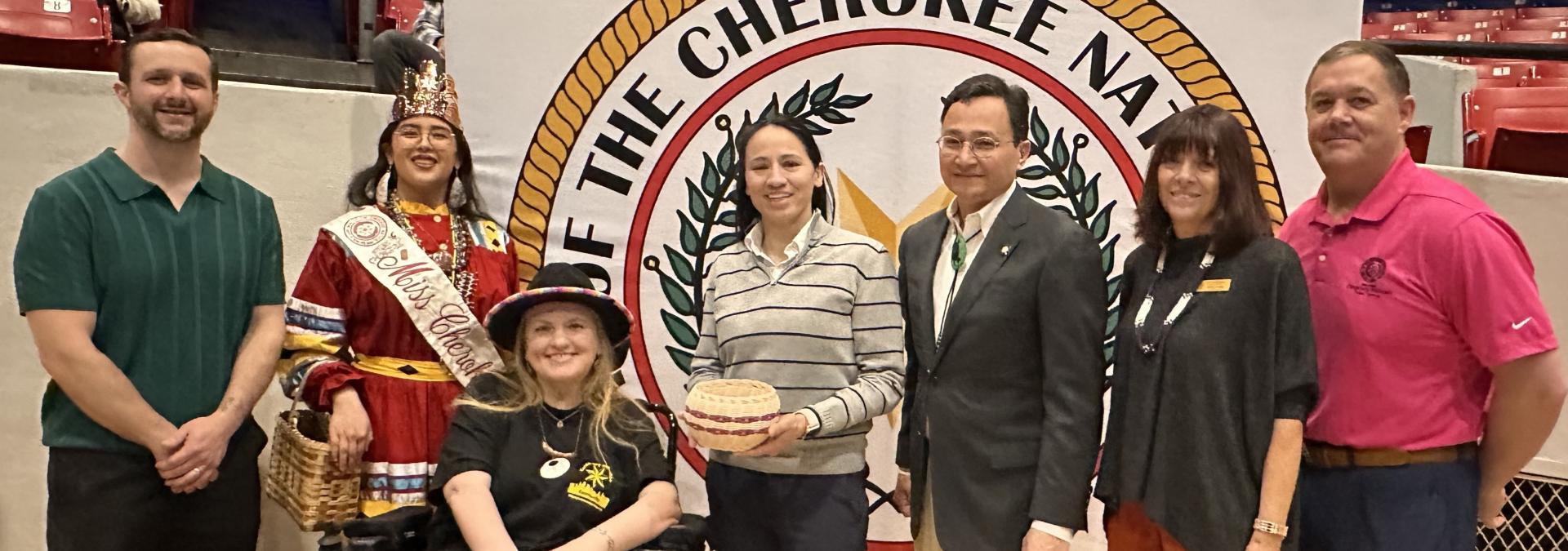
WASHINGTON, D.C. — Today, U.S. Representatives Sharice Davids (D-KS-03) and Nick Langworthy (R-NY-23) introduced bipartisan legislation to make it easier for Tribal communities to access federal programs that can create jobs, grow businesses, strengthen local economies, and support families. Davids, a citizen of the Ho-Chunk Nation, was one of the first two Native American women ever elected to Congress.
“Tribal communities know what their families and businesses need to succeed, but too often they have to navigate a maze of federal programs to find the resources that can help,” said Davids. “Our bipartisan bill is about making the federal government a better partner — listening to Tribal leaders, making sure they have a seat at the table, and making it easier to access programs that can help create jobs and build stronger communities. I’m proud to work with colleagues from both parties to get this done.”
“In New York’s 23rd Congressional District, I’m proud of the strong relationship we’ve built with the Seneca Nation, but too often across the country, federal bureaucracy, agency red tape, and siloed information has been a barrier for our tribal nations to find and access federal resources available to them,” said Congressman Nick Langworthy (R-NY-23). "This bill is a practical fix that addresses these challenges by improving coordination, cutting administrative burdens, and making sure Tribal leaders have a meaningful voice in federal programs that impact their communities, while still respecting their sovereignty. I’m proud to join with my colleague, Rep. Davids, to introduce this important bipartisan legislation.”
Tribal governments are eligible for a wide range of federal economic development programs, but finding the right program and navigating different application requirements can be difficult. The REACH Our Tribes Act would make it easier for Tribal communities to know what resources are available, have a stronger voice in how U.S. Department of Agriculture (USDA) programs are developed, and spend less time dealing with unnecessary federal red tape.
Specifically, the REACH Our Tribes Act would:
- Give Tribal leaders a stronger voice: Require USDA to consult with Tribal governments when developing its annual budget and major legislation that affects USDA programs, including Farm Bills.
- Show where the money is going: Require USDA to track and publicly report funding provided through programs that Tribal entities can apply for.
- Cut federal red tape: Create a task force across USDA, the Department of Housing and Urban Development, and the Economic Development Administration to identify ways to simplify applications and reduce unnecessary administrative work.
- Make programs easier to find: Create a public, regularly updated list of federal economic development programs available to Tribal communities, so Tribal leaders don't have to hunt through multiple federal agencies to find opportunities.
For Tribal communities, that could mean less time filling out paperwork and searching for programs — and more time putting federal resources to work creating jobs, supporting businesses, and strengthening local economies.
“Tribal Nations deserve a federal partnership that recognizes their sovereignty, understands the unique barriers they face, and ensures that they have a meaningful seat at the table when federal policies and investments are shaped,” said Larry Wright Jr., Executive Director, National Congress of American Indians (NCAI). “The REACH Our Tribes Act advances that goal by strengthening government-to-government consultation, increasing transparency, and improving coordination across federal economic development programs. The National Congress of American Indians is proud to support this bipartisan legislation and looks forward to working with Congress to ensure that Tribal Nations can more effectively access the resources needed to build strong, self-determined economies and communities.”
"Drawing on more than 50 years of experience helping Tribal communities manage their financial strategies and apply for USDA loan and grant programs, the REACH Our Tribes Act lessens the burden on Tribes seeking federal funding and ensures technical assistance reaches them more effectively,” said Olga Morales-Pate, CEO, Rural Community Assistance Partnership (RCAP). “RCAP is proud to support legislation that makes federal investment work better for the Tribes we serve."
“The Native Farm Bill Coalition supports the REACH Our Tribes Act because it would strengthen USDA’s consultation and budget processes, improve transparency around federal obligations to Tribes, and reduce unnecessary administrative barriers to promoting economic development,” said Chairman Cole Miller of the Shakopee Mdewakanton Sioux Community and Kari Jo Lawrence, CEO of the Intertribal Agriculture Council, Co-Chairs of the Native Farm Bill Coalition. “By improving coordination across agencies and creating clearer pathways to federal resources, this legislation will help make federal investments more responsive and effective for Tribal communities. We thank the sponsors for advancing this legislation.”
Davids, co-chair of the Congressional Native American Caucus, has made strengthening Tribal communities and expanding economic opportunity a priority throughout her time in Congress. That work goes back long before she was elected: she worked in economic development on the Pine Ridge Reservation in South Dakota, where she partnered with Tribal leaders and local businesses to help create economic opportunities in the community.
As a member of the House Agriculture Committee, she has worked to ensure Tribal governments have a stronger voice in federal agriculture and nutrition programs and has pushed for policies that help Tribal entrepreneurs and businesses succeed. This bipartisan bill builds on that work by making the federal government a better partner for Tribal communities — and making sure Tribal leaders have a meaningful voice in the programs and decisions that affect them.