As Part of Her America 250 Week, Davids Hosts Bison Restoration Conversation on Significance of America’s National Mammal
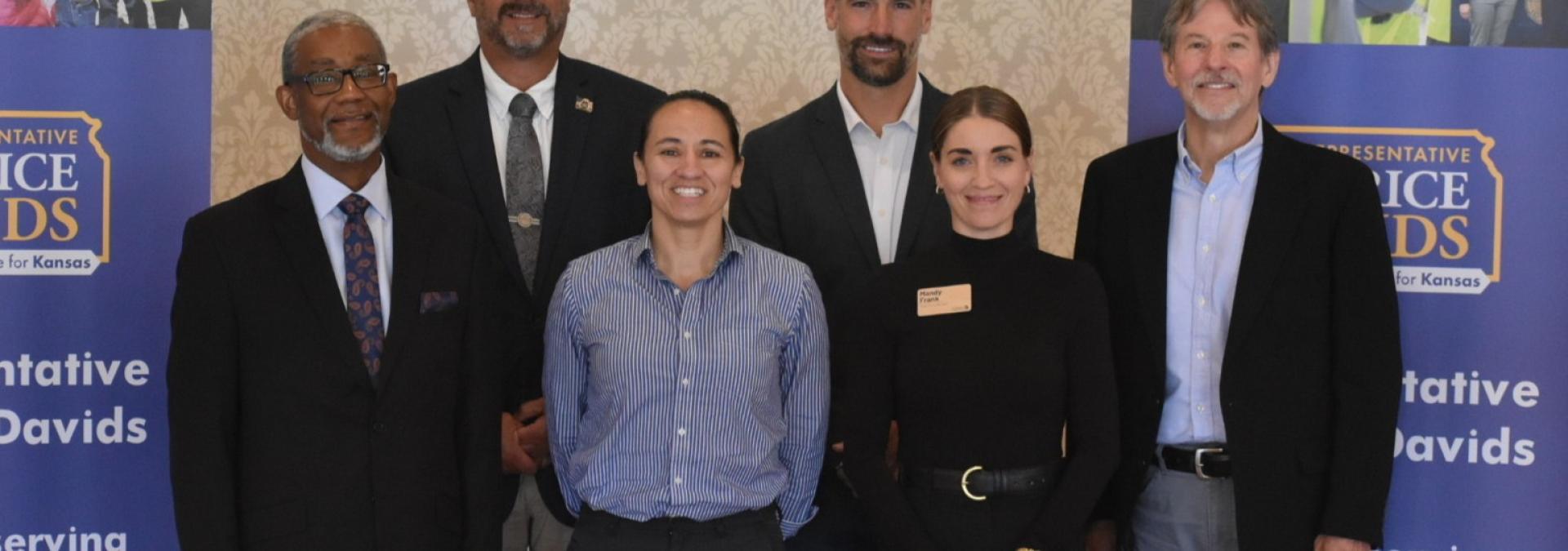
SHAWNEE, KS — Today, as part of her America 250 Week, Representative Sharice Davids hosted a roundtable discussion with state and conservation leaders focused on bison herd restoration efforts and the cultural and historical significance of the American bison, the national mammal of the United States.
“Bison are deeply tied to the history of the Great Plains, to Kansas itself, and to many Tribal Nations whose cultures and lifeways have long been connected to them,” said Davids. “Their recovery is one of the most important conservation success stories in our country, but it only happened because of sustained collaboration and commitment. As we reflect on America 250, it’s also a reminder that we have a responsibility to keep protecting and restoring what makes this place unique.”
During the roundtable, participants discussed ongoing bison conservation and herd restoration efforts across Kansas and the broader Great Plains, including habitat management, land stewardship, and long-term strategies to support both wild and managed bison populations. The American bison was officially designated the national mammal of the United States in 2016 through the National Bison Legacy Act, signed by President Barack Obama.
Once driven to near extinction in the late 19th century, when populations fell to approximately 541 animals by 1889 due to overhunting and habitat loss, bison have since recovered to an estimated population of more than 500,000 as of 2026. However, only approximately 5 percent exist in wild herds, underscoring the continued importance of conservation and habitat preservation efforts.
“Bison are an iconic and integral part of North American grasslands,” said John Blair, Director, Konza Prairie Biological Station. “They also are a keystone species, altering prairie ecosystems in ways that allow other species to thrive. Our research at the Konza Prairie Biological Station is providing new insights into the ecological role of bison in Kansas prairies, where their presence increases biodiversity and enhances resilience to disturbances, such as drought.”
Participants in the roundtable included Kansas Department of Wildlife and Parks Secretary Christopher Kennedy and Deputy Secretary Stuart Schrag, representatives from The Nature Conservancy, and Kansas State University.